PCOS brain fog is explained through the blood sugar and insulin resistance chain, with practical diet, sleep and movement habits that help, and signs it's time to see a doctor.
Quick answer
PCOS brain fog is usually driven by blood sugar swings tied to insulin resistance, plus poor sleep and symptom overload. Steadier meals, regular movement and consistent sleep typically help; sudden or severe fog is worth raising with a doctor.
Key takeaways
- Brain fog in PCOS often tracks with blood sugar swings driven by insulin resistance.
- Meals built on protein, fibre and a little fat help keep blood sugar steadier.
- Regular movement, consistent sleep and enough water all support clearer thinking.
- Sudden, severe or worsening brain fog is worth raising with a doctor.
PCOS brain fog usually shows up as losing a word mid-sentence, rereading the same paragraph twice, or walking into a room and forgetting why — and it tracks most closely with blood sugar swings, poor sleep and the mental load of managing irregular cycles and symptoms.
What is PCOS brain fog?
PCOS brain fog is the short-term trouble concentrating, finding words or holding a thought that many people with PCOS notice, especially around symptom flares or big blood sugar swings. It isn't a formal diagnosis — it's a descriptive term for a cluster of cognitive symptoms that overlap with tiredness, low mood and poor sleep.
It often arrives alongside other symptoms covered elsewhere on this site. Irritability, a racing mind and low mood are part of what PCOS anxiety describes, and the two frequently overlap because they share the same blood sugar and androgen mechanisms underneath.
Why insulin resistance and blood sugar swings matter
A meal heavy in refined carbohydrate raises blood glucose quickly; the body answers with a surge of insulin to bring it back down. Insulin resistance means that surge has to work harder to do the same job, and the crash that follows tends to be bigger — energy and focus dropping together.
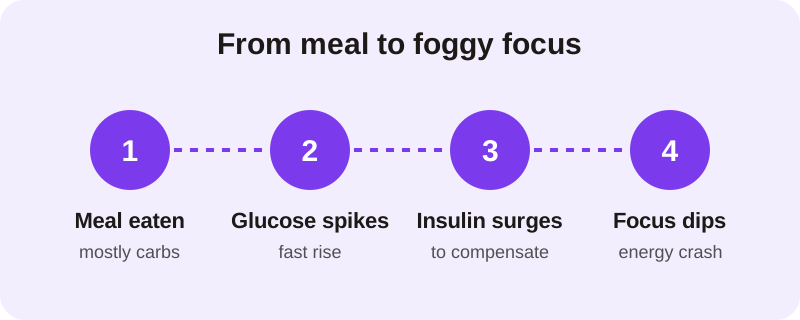
- Meal eaten — mostly carbs
- Glucose spikes — fast rise
- Insulin surges — to compensate
- Focus dips — energy crash
Glycaemic load — the combination of how fast a carbohydrate digests and how much of it you ate — predicts the size of that swing better than GI on its own. Over time, the same pattern of swings is linked with higher androgens and a greater risk of type 2 diabetes, both of which the 2023 international guideline addresses as part of PCOS. The insulin resistance and PCOS page walks through that chain in more detail.
Can diet actually help with PCOS brain fog?
Yes — steadier blood sugar across the day is the most direct lever available, and it comes from how meals are built rather than from cutting out a single food. The 2023 international guideline finds no evidence that one diet composition beats another for PCOS, so the goal is a pattern you can repeat.
The practical version is a plate built on protein, fibre and a little fat at each meal, which slows the glucose rise a meal would otherwise cause. Swapping a white-bread lunch for a wholegrain one, or choosing fruit, vegetables and pulses that rank low or medium on the glycaemic index — Diabetes UK puts 55 or below as low, 56 to 69 as medium, and 70 or more as high — is a small, repeatable change rather than a diet overhaul. The low-GI foods for PCOS list and the PCOS diet guide go through this in full, and the Eatwell Guide's ask for at least five portions of fruit and veg a day fits the same pattern.
Sleep, hydration and daily habits that help
Blood sugar isn't the only lever. Poor sleep makes blood glucose harder to manage the next day, and even mild dehydration can make concentration feel harder than it needs to — the PCOS hydration guide covers how to tell whether water intake is part of the picture. Movement helps too: the 2023 international guideline's range of 150 to 300 minutes of moderate activity a week, or 75 to 150 minutes of vigorous activity, plus muscle strengthening on two non-consecutive days a week, supports insulin sensitivity generally, and no exercise type has been shown to be better than another for PCOS. The exercise for PCOS page sets out what that looks like week to week.
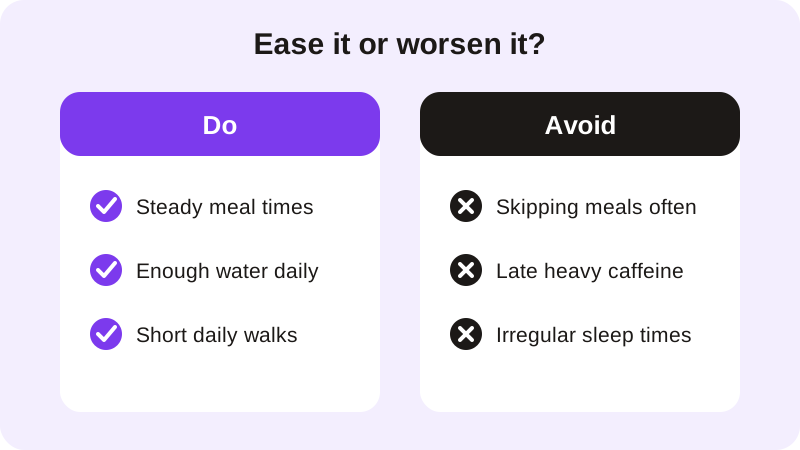
- Do: steady meal times, enough water daily, short daily walks
- Avoid: skipping meals often, late heavy caffeine, irregular sleep times
When brain fog is a sign to see a doctor
Brain fog overlaps with several things worth ruling out, including thyroid problems, anaemia, sleep disorders and low mood, and it can also be a side effect of a medicine you're already taking. A clinician can check for these with the right history and tests rather than guessing from symptoms alone. Generic medicines sometimes used for insulin resistance in PCOS, such as metformin or inositol, are decisions to make with a clinician — not something to start, stop or dose on your own based on how foggy a week has felt.
In the app: PCOS Pal's symptom logging includes brain fog alongside cycle and mood tracking, and its doctor summary turns weeks of entries into something you can hand to a clinician instead of trying to recall it from memory at the appointment.
Sources
Frequently asked questions
Is brain fog officially listed as a PCOS symptom?
Brain fog isn't a formal diagnostic criterion for PCOS, but many people with the condition describe it, and it fits with the blood sugar swings and insulin resistance common in PCOS. If it's new or worsening, a doctor can check for other causes alongside PCOS.
Does metformin help with PCOS brain fog?
Metformin is sometimes used for insulin resistance in PCOS, and steadier blood sugar can ease some of the fog linked to swings, but whether it fits you — and whether it helps your particular symptoms — is a decision to make with a clinician, not something to start alone.
Can intermittent fasting make brain fog better or worse?
It depends on the person: some feel sharper with a shorter eating window, while others feel foggier and shakier on longer fasts, especially with insulin resistance. Try a modest window, track how you feel, and adjust with a dietitian or doctor if it isn't working.
How long does PCOS brain fog usually last?
There's no fixed timeline — it varies with how blood sugar, sleep and stress are being managed, and can ease within days of steadier eating or take longer if sleep is also unsettled. If it's constant or worsening, bring it up with a doctor rather than waiting it out.
This article is for education. It is not medical advice, diagnosis or treatment — talk to a clinician about your own care.
More in this series
- Anti-inflammatory eating for PCOS: what is real — Where "anti-inflammatory" and PCOS actually meet, which foods the evidence supports, which only marketing does, and how it overlaps with insulin advice.
- Foods to limit with PCOS, and why banning them backfires — The foods worth eating less often with PCOS, the evidence for each, and why "limit" beats "never" for a diet you can keep.
- Insulin resistance and PCOS, explained — What insulin resistance is, why it is so common in PCOS, how it is actually tested, and what food, movement, sleep and medication each do about it.
- Low-GI foods for PCOS: a practical list — What the glycaemic index does and does not tell you, which carbohydrates rank low, how protein and fat change the picture, and where GI stops helping.
- PCOS breakfast ideas that hold you until lunch — Why breakfast is where PCOS eating plans break, the protein-fibre-fat template that fixes it, ten breakfasts that use it, and what to do about coffee.
- PCOS diet: what to eat, and why it works — What the evidence says about eating with PCOS: insulin, the pattern that helps, the foods worth limiting, and why no rigid plan is required.
- PCOS is now PMOS: what changed and what didn't — PCOS has a new name, polyendocrine metabolic ovarian syndrome. Why it changed, and why your diagnosis and treatment stay the same.
- A 7-day PCOS meal plan you can actually keep — Seven days of ordinary meals built on the pattern the evidence supports, with a shopping list and swaps, and no food group cut out.