A PCOS vegetarian diet works like any other PCOS way of eating — the aim is plant protein, fibre and a little fat at each meal, not cutting meat for its own sake.
Quick answer
A PCOS vegetarian diet works like any PCOS diet: no single best composition, so focus on plant protein, fibre and a little fat each meal. Legumes, dairy, eggs, nuts, tofu and whole grains cover the protein most people miss when they cut meat.
Key takeaways
- A vegetarian diet suits PCOS fine — no single diet composition beats another, per the guideline.
- Build plates around plant protein (legumes, dairy, eggs, tofu, nuts) plus fibre and a little fat.
- Pair carbs with protein to lower glycaemic load — lentils and chickpeas are naturally low-GI.
- Going vegan removes dairy and eggs too, so plan protein, B12 and iron deliberately.
- No food group is banned; the aim is steadier insulin and androgens, not a stricter rulebook.
A PCOS vegetarian diet is not a special diet. It works like any other PCOS way of eating — build plates around plant protein, fibre and a little fat so insulin and androgens stay steadier.
The reasoning here is the same as in the PCOS diet guide: the 2023 international guideline finds no evidence that one diet composition beats another for PCOS, and asks for eating tailored to the person rather than a list of forbidden foods. Cutting meat doesn't change that reasoning. It just changes where the protein, fibre and fat come from.
Does a vegetarian diet actually help with PCOS?
There's nothing in the evidence that says meat-eaters do better than vegetarians with PCOS, or the reverse — PCOS affects between 10 and 13% of women worldwide, roughly 1 in 10 women of reproductive age, and what they eat varies enormously within that group. What matters, per the guideline, is the same lever either way: insulin. PCOS is linked with insulin resistance, and food that spikes blood glucose fast asks the body for more insulin, which in turn can push androgens higher. A vegetarian diet can manage that lever exactly as well as an omnivorous one — the levers are glycaemic load, protein at each meal and fibre, not whether a plate contains meat.
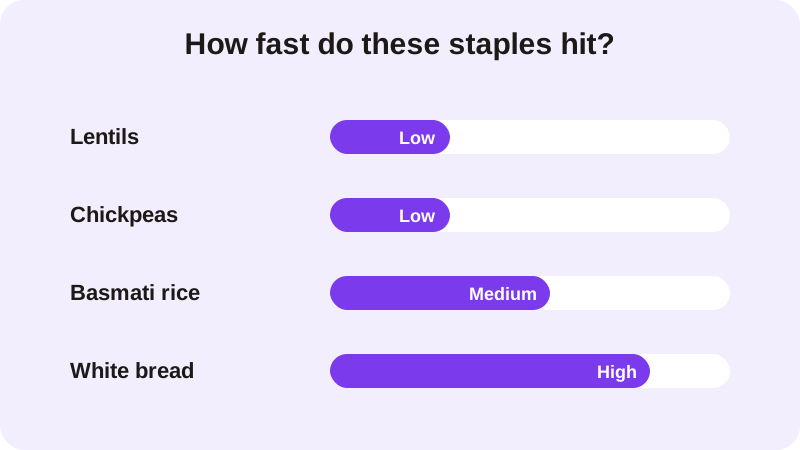
Where vegetarian eating sometimes goes wrong isn't the "no meat" part — it's defaulting to refined carbohydrate once meat is removed: white rice and plain pasta standing in for a protein source, extra bread, more fruit juice. That shifts a plate toward fast carbohydrate without the protein or fibre that would slow it down. The fix isn't to add meat back. It's to add a plant protein. Insulin resistance and PCOS covers why that swap matters.
Where does the protein come from if you don't eat meat?
Plant protein isn't hard to find — it just takes a different shopping list than the one built around chicken breast and mince, and a plant protein at each meal does the same job that meat was doing: slowing digestion so glucose and insulin rise more gently.
- Legumes — lentils, chickpeas, black beans, kidney beans, edamame. These also carry fibre, which the Eatwell Guide and Diabetes UK both point to for slowing carbohydrate absorption.
- Soy foods — tofu, tempeh, soy milk. Complete proteins that take on whatever flavour you cook them with.
- Dairy — Greek yoghurt, cottage cheese, milk, cheese, if you eat dairy. PCOS and dairy covers what the evidence does and doesn't say about keeping it in.
- Eggs — a complete protein, fast to cook, and a mainstay of vegetarian breakfasts.
- Nuts and seeds — almonds, pumpkin seeds, chia, hemp — smaller amounts of protein, plus useful fat and fibre.
- Whole grains — quinoa and oats carry some protein alongside their carbohydrate, though they shouldn't be the only protein on a plate.
A curry built mostly from potato and rice, with a spoonful of lentils stirred in, is still mostly carbohydrate. A curry built around a tin of chickpeas, with rice as the side, is a different meal entirely — same ingredients, different ratio.
What does a vegetarian PCOS plate actually look like?
Same template as any other plate in the PCOS diet guide: protein, fibre and a little fat, built from whatever you eat, repeated across breakfast, lunch, dinner and snacks.
- Breakfast — Greek yoghurt with oats and seeds, or eggs on wholegrain toast. More ideas are in PCOS breakfast ideas.
- Lunch — a grain bowl with chickpeas, roasted vegetables and a tahini dressing; or lentil soup with a slice of rye bread.
- Dinner — tofu or bean chilli with brown rice and a side salad; or a tray of roasted vegetables with halloumi or paneer if you eat dairy.
- Snacks — hummus and vegetables, a boiled egg, a small handful of nuts.
The 7-day PCOS meal plan already includes vegetarian meals built on this template, and swapping the remaining days for vegetarian versions is mostly a case of replacing the protein and keeping everything else — the vegetables, the at least five portions of fruit and veg a day, the fibre, stay the same.
In the app: the PCOS Pal app scores food by protein, carbohydrate and glycaemic index rather than by whether it contains meat, so a lentil dahl and a chicken curry are judged the same way — on what's actually on the plate.
Is a vegan PCOS diet different from a vegetarian one?
Going vegan removes two of the easiest plant-based protein sources — dairy and eggs — so it takes more deliberate planning to cover the same ground.
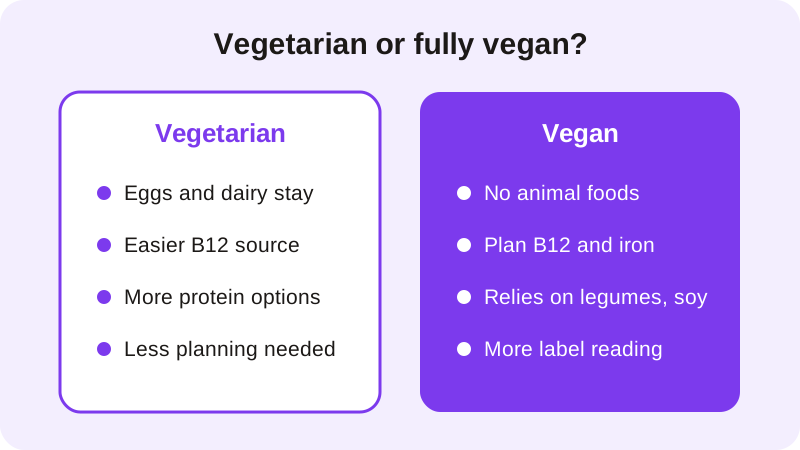
The gap isn't protein alone. Vitamin B12 occurs reliably only in animal foods, and iron from plants is absorbed less efficiently than iron from meat. None of that makes a vegan PCOS diet unworkable — plenty of people manage it well — but it's a reason to talk to a doctor or registered dietitian about what to keep an eye on, rather than assuming legumes and fortified foods automatically cover everything.
What vegetarian foods should I limit with PCOS?
The same foods the guideline and the NHS flag for anyone with PCOS, vegetarian or not — nothing on a vegetarian plate gets a free pass just for being meat-free.
Pastries, white bread, sugary cereal and fruit juice are all vegetarian and all sit high on the glycaemic index scale Diabetes UK uses to rank carbohydrate — 70 or more counts as high, against 55 or below for low. Foods to limit with PCOS covers the fuller list, and the point there holds here too: limit, don't ban. A vegetarian samosa is still a food you can eat; it's just not the anchor of the meal.
Fibre is worth paying attention to separately, since it's one of the easiest wins in a vegetarian diet — legumes, vegetables and whole grains are naturally higher in fibre than most meat-based meals. PCOS fibre intake covers how that fits in day to day, and PCOS snacks has ideas for keeping protein going between meals rather than only at mealtimes.
None of this asks you to eat differently from how you'd eat anyway if you're vegetarian. It asks you to notice, at each meal, whether there's a plant protein doing some work — and if there isn't, to add one.
Frequently asked questions
Is a vegetarian diet good for PCOS?
Yes — the 2023 international guideline finds no single diet composition works best for PCOS, so a vegetarian diet is as workable as any other. What matters is building plates around plant protein, fibre and a little fat so insulin and androgens stay steadier, not whether the plate contains meat.
How do I get enough protein on a vegetarian PCOS diet?
Lean on legumes, tofu, tempeh, eggs and dairy if you eat it, plus smaller amounts from nuts, seeds and whole grains. Treat one of these as the anchor of each meal rather than an optional extra, the same way you would treat meat or fish on an omnivorous plate.
Is a vegan PCOS diet different from vegetarian?
Vegan removes dairy and eggs too, which are two of the easiest plant-based protein sources, so it takes more planning to cover protein, vitamin B12 and iron. It's workable, but worth discussing with a doctor or registered dietitian so nothing gets missed.
What vegetarian foods should I limit with PCOS?
The same ones flagged for anyone with PCOS — white bread, pastries, sugary cereal and fruit juice rank high on the glycaemic index whether or not they contain meat. Limit them rather than banning them, and pair any you keep with a plant protein to slow things down.
Does cutting out meat lower androgens in PCOS?
There's no evidence that removing meat itself lowers androgens. The lever that matters is insulin — food that raises blood glucose fast demands more insulin, which can push androgens higher, and that's true whether the meal is vegetarian or not.
This article is for education. It is not medical advice, diagnosis or treatment — talk to a clinician about your own care.
More in this series
- Anti-inflammatory eating for PCOS: what is real — Where "anti-inflammatory" and PCOS actually meet, which foods the evidence supports, which only marketing does, and how it overlaps with insulin advice.
- Foods to limit with PCOS, and why banning them backfires — The foods worth eating less often with PCOS, the evidence for each, and why "limit" beats "never" for a diet you can keep.
- Insulin resistance and PCOS, explained — What insulin resistance is, why it is so common in PCOS, how it is actually tested, and what food, movement, sleep and medication each do about it.
- Low-GI foods for PCOS: a practical list — What the glycaemic index does and does not tell you, which carbohydrates rank low, how protein and fat change the picture, and where GI stops helping.
- PCOS breakfast ideas that hold you until lunch — Why breakfast is where PCOS eating plans break, the protein-fibre-fat template that fixes it, ten breakfasts that use it, and what to do about coffee.
- PCOS diet: what to eat, and why it works — What the evidence says about eating with PCOS: insulin, the pattern that helps, the foods worth limiting, and why no rigid plan is required.
- PCOS is now PMOS: what changed and what didn't — PCOS has a new name, polyendocrine metabolic ovarian syndrome. Why it changed, and why your diagnosis and treatment stay the same.
- A 7-day PCOS meal plan you can actually keep — Seven days of ordinary meals built on the pattern the evidence supports, with a shopping list and swaps, and no food group cut out.